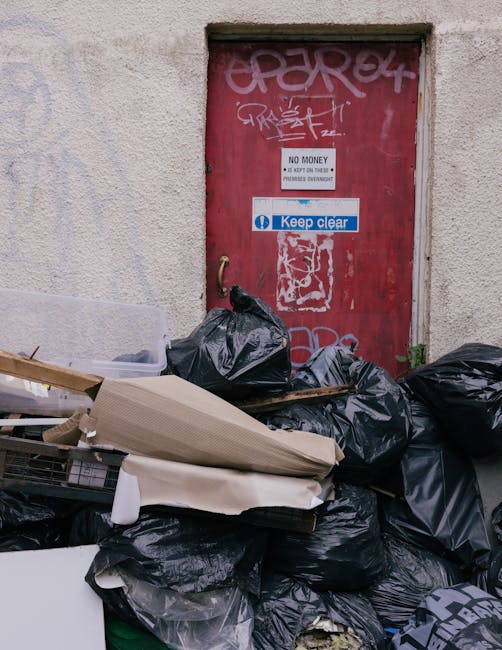
Hitchin Station Rubbish Drop Off and Times: A Practical Local Guide
If you have been searching for clear information on Hitchin Station Rubbish Drop Off and Times, you are probably trying to solve a very ordinary but very real problem: where do the bags go, when should they go, and how do you avoid a messy, stressful run-around? To be fair, rubbish is one of those things people only think about when it becomes urgent. A kitchen clear-out, a shop refit, a house move, or just a pile of bulky waste after a busy week can suddenly make timing matter a lot.
This guide breaks the topic down in plain English. You will find out what rubbish drop off usually involves, why the timing window matters, how to plan around it, and what to do if you are comparing disposal options in or around Hitchin. We will also cover common mistakes, practical compliance points, and a useful checklist so you can act quickly without guessing. If you need broader support for disposal planning, pages like rubbish removal in Hitchin, house clearance services, and waste collection options can help you compare next steps.
Let's face it, timing is half the battle. Get that right, and everything else gets easier.
Table of Contents
- Why Hitchin Station Rubbish Drop Off and Times Matters
- How Hitchin Station Rubbish Drop Off and Times Works
- Key Benefits and Practical Advantages
- Who This Is For and When It Makes Sense
- Step-by-Step Guidance
- Expert Tips for Better Results
- Common Mistakes to Avoid
- Tools, Resources and Recommendations
- Law, Compliance, Standards, or Best Practice
- Options, Methods, or Comparison Table
- Case Study or Real-World Example
- Practical Checklist
- Conclusion
- Frequently Asked Questions
Why Hitchin Station Rubbish Drop Off and Times Matters
Rubbish drop off sounds simple until you are standing there with bags in the boot, a van idling, and no clear idea whether you are early, late, or in the wrong place entirely. That is why understanding Hitchin Station rubbish drop off and times matters. It is not just about convenience. It affects efficiency, safety, and whether your waste is actually handled properly.
In a busy town like Hitchin, timing can make the difference between a smooth handover and a frustrating wasted trip. If you arrive outside the accepted window, you may be turned away. If you arrive with the wrong type of waste, the load may not be accepted. And if you are dropping off on behalf of a business, a landlord, or a household clearance, the wrong plan can ripple into delays elsewhere in the day. Simple enough in theory. A bit more fiddly in practice.
There is also a practical cost angle. If you have to make two journeys instead of one, or pay for additional handling because waste was sorted badly, the job stops being minor. A well-timed drop off is often the difference between a tidy, low-stress disposal job and a half-day headache.
For readers who are planning bigger clearances, the surrounding service pages such as office clearance in Hitchin and bulky waste removal can be useful companions. They help you decide whether a drop off is enough or whether a managed collection makes more sense.
How Hitchin Station Rubbish Drop Off and Times Works
At a practical level, rubbish drop off usually means taking waste to a designated point or arranged collection place at a specific time, then leaving it in the correct area according to the rules in force. The exact setup can vary depending on the site, the operator, and whether you are dealing with domestic waste, trade waste, or a larger clear-out. That is why the "times" part matters so much. Waste services work to schedules for safety, traffic control, staffing, and processing capacity.
If your drop off point operates on set slots, those windows can be tight. They may be early morning, late afternoon, or arranged around rail, road, or site access. The aim is usually to keep movement predictable and avoid disruption. In plain terms: turn up when they expect you, not when it is convenient to you. Annoying, yes. Necessary, also yes.
For waste disposal in general, timing also connects to sorting. A site may want mixed waste separated, heavy items placed first, or recyclable materials kept apart. The better you prepare in advance, the faster the handover. That is especially helpful if you are comparing a drop off against a more flexible arrangement such as same-day rubbish removal or a pre-booked skip hire service.
It helps to think of the process in three parts:
- Before you go: confirm the time window, prepare the waste, and check any restrictions.
- At drop off: follow the access rules, unload safely, and keep to the site instructions.
- Afterwards: keep records if needed, especially for trade or repeat disposal work.
A lot of people assume "drop off" means casual flexibility. It usually does not. The better the planning, the less likely you are to be turned away or asked to sort items again on the spot.
Key Benefits and Practical Advantages
Once you understand the process, the benefits become obvious. A structured drop off system gives you control. You know when to go, what to bring, and how to avoid the usual waste-related drama. Small thing, but it matters.
- Better time management: You can plan around work, family, deliveries, or other jobs.
- Less wasted fuel: Fewer unnecessary trips means lower costs and less hassle.
- Cleaner site handling: Sorting waste properly improves acceptance and processing.
- Lower risk of refusal: Knowing the accepted items and timing reduces surprises.
- More predictable disposal: Useful for landlords, tradespeople, and homeowners with deadlines.
There is also a less obvious benefit: confidence. Once you know the rhythm of a disposal point, you stop second-guessing every step. That saves time, but it also takes the edge off the job. Clearing out rubbish can feel oddly overwhelming when you are staring at it in the driveway. A simple plan helps.
For larger or repeated jobs, it may also be sensible to link the process with broader waste planning. Pages such as commercial waste support and furniture disposal can help if the load is not just general rubbish but a mixed set of bulky items.
Who This Is For and When It Makes Sense
This topic is relevant to more people than you might expect. It is not just for businesses or people moving house. In practice, Hitchin Station rubbish drop off and times matter for anyone who needs a reliable, local way to dispose of waste without waiting around all day.
Typical users include:
- Homeowners clearing lofts, sheds, garages, or renovation debris.
- Tenants moving out and needing to leave a property tidy.
- Landlords and letting agents handling post-tenancy clearances.
- Tradespeople dealing with light construction waste or packaging.
- Local businesses clearing old stock, fittings, or office junk.
It makes sense when the waste is too much for normal bins but not necessarily enough to justify a major long-term arrangement. It also makes sense when you want to keep control over the timing rather than wait for a collection slot. That said, if your waste is awkward, heavy, or time-sensitive, a pick-up service might still be better. There is no prize for making the job harder than it needs to be.
A quick rule of thumb: if your priority is timing, a drop off arrangement can work well. If your priority is convenience, collection may be the smarter option. If your priority is volume, compare both carefully.
Step-by-Step Guidance
Here is a practical way to approach rubbish drop off without overcomplicating it. The aim is to reduce guesswork before you leave the house or site.
1. Confirm the relevant time window
Do not assume the opening time, acceptance window, or access rules are the same from one day to the next. Check the current timing in advance and give yourself a buffer. If you are travelling across town, add a little more. Five minutes turns into fifteen quickly enough on a busy road or during a school run. We have all been there.
2. Sort the waste before loading
Separate what you can. Recyclables, general waste, bulky items, and hazardous materials should not be mixed unless the site specifically allows it. A cleaner load is faster to unload and much less likely to cause trouble at the point of drop off.
3. Load in a sensible order
Place the items you will need to remove first near the back or top, depending on your vehicle. Heavy items should be secured properly. If you are using bags, make sure they are tied and not leaking. It sounds basic. It is basic. Yet this is where a lot of avoidable delays come from.
4. Bring what you need
Gloves, a trolley, straps, water, and proof of booking or identification if required. If the waste is awkward, a second pair of hands can help a lot. In our experience, one person carrying a mattress through a narrow gap is a comedy scene only until you are the one doing it.
5. Follow the on-site instructions
Once you arrive, keep the handover simple. Stay in the right area, unload where directed, and do not assume staff can accept items outside the stated rules. Even if the pile looks harmless, procedures are there for a reason.
6. Keep a record if needed
If you are disposing of trade waste or managing clearances for a client, keep notes of what was taken and when. That is useful for your own admin and can matter if a question comes up later.
Expert Tips for Better Results
A few small habits make a big difference. These are the kinds of things you only really notice after helping people through enough clearances.
- Go earlier than you think you need to: a time buffer cuts stress and helps you recover from traffic or loading delays.
- Use clear categories: one pile for general rubbish, one for recyclables, one for bulky items. It sounds neat because it is neat.
- Avoid overfilling bags: overpacked bags split, spill, and slow everything down.
- Check item restrictions before loading: especially for paint, chemicals, fridges, mattresses, and electricals.
- Keep vehicles easy to unload: if you can reach the waste quickly, the whole job goes smoother.
Another useful tip is to think in reverse. Start with the heaviest or most troublesome item and work backwards. If the hardest thing is accepted and handled correctly, the rest usually falls into place. Simple, but effective.
And if you are trying to coordinate a larger disposal day, it can help to combine your planning with a fuller service such as property clearance or garage clearance. That way you are not stitching together three different jobs at the last minute.
Common Mistakes to Avoid
Most problems are preventable. The common ones are usually boring rather than dramatic, which is exactly why they keep happening.
- Arriving without checking the time: the classic one. A quick call or message in advance can save a useless trip.
- Mixing prohibited items with general rubbish: it can lead to refusal or additional handling.
- Underestimating loading time: a van full of mixed waste takes longer than expected to sort and unload.
- Ignoring access limits: low bridges, narrow lanes, parking restrictions, or time-controlled access can all catch people out.
- Assuming all waste is accepted the same way: it usually is not.
One subtle mistake is leaving the plan too late. People often wait until the bins are overflowing and the deadline is close. Then everything becomes rushed, and rushed waste jobs are where mistakes breed. Truth be told, a bit of planning feels dull right up until it saves the day.
Another issue is poor communication when several people are involved. If one person packs the waste, another drives, and a third is waiting for confirmation, make sure everyone knows the times and what is being taken. Otherwise you end up with a bag of old cables, a chair nobody remembered, and somebody asking, "Did we still need that?"
Tools, Resources and Recommendations
You do not need fancy kit, but a few practical tools make rubbish drop off much easier. The best tools are the ones that remove uncertainty.
| Tool or Resource | Why It Helps | Best For |
|---|---|---|
| Heavy-duty bags | Reduces splitting and leaking during transport | General household rubbish |
| Gloves | Improves grip and keeps hands cleaner | Sharp edges, dusty items, mixed loads |
| Ratchet straps or bungees | Keeps cargo stable in transit | Bulky waste and van loads |
| Wheelbarrow or trolley | Reduces strain when moving heavier items | Gardens, garages, and bulky clear-outs |
| Notebook or phone notes | Tracks what was removed and when | Trade work, landlords, repeated jobs |
As a recommendation, keep one small "waste kit" somewhere easy to find. Gloves, tape, marker, and a few spare bags. Nothing dramatic. Just enough so you are not hunting through drawers while the van is already loaded.
If you are weighing up service levels, man and van rubbish removal is often worth comparing with drop off if you need help with lifting or access. The right choice is the one that fits your day, not just the cheapest line on paper.
Law, Compliance, Standards, or Best Practice
Any waste disposal activity should be handled carefully and within the rules that apply to the type of waste you have. For everyday household rubbish, that usually means following local site instructions and only taking items the service is prepared to accept. For business or trade waste, the expectations are tighter and record-keeping becomes more important.
Best practice in the UK generally includes:
- sorting waste properly before disposal
- not mixing hazardous items with general waste
- using an appropriate, authorised disposal route
- keeping records where business waste is involved
- following site rules, access restrictions, and timing windows carefully
It is also wise to be cautious with anything that could be classed as specialist waste, such as fridges, electrical equipment, paint, solvents, plasterboard, or contaminated materials. Those items often need separate handling. If you are not sure, ask before loading. A two-minute check can prevent a much longer delay.
For landlords, contractors, and commercial users, using a reliable waste process is not just neat administration; it helps reduce operational risk. If you are managing recurring clearances, pages like trade waste solutions and end-of-tenancy clearance may be useful when planning a more structured approach.
Expert summary: follow the timing, sort the load, keep unsafe items separate, and choose the disposal route that best fits the type and volume of waste. That is usually where the smoothest results come from.
Options, Methods, or Comparison Table
If you are deciding between rubbish drop off and another disposal method, it helps to compare the practical differences rather than focusing on just one factor. Cost matters. So does time. So does effort.
| Method | Best For | Pros | Trade-Offs |
|---|---|---|---|
| Timed rubbish drop off | Pre-planned waste with flexible transport | Controlled timing, direct disposal, good for organised loads | Less flexible, may require waiting or strict scheduling |
| Man and van collection | People who need lifting help | Convenient, less manual effort, often faster for awkward items | May cost more than a simple drop off |
| Skip hire | Ongoing clear-outs or larger volumes | Useful for multi-day jobs, keeps waste on site | Needs space and can involve permit or access considerations |
| Ad hoc municipal disposal | Small, occasional household waste | Good for minor jobs when accepted | Can be limited by timing, item type, and capacity |
The right choice depends on the job. A single garage clear-out may suit a booked drop off. A full office strip-out may be better handled through a more complete service. If your day is already packed, convenience often wins. If your main aim is to minimise spend and you can organise the load yourself, drop off can be a strong option.
Case Study or Real-World Example
Imagine a small independent retailer near the station area clearing old shelving, packaging, and a few broken display units after a refit. The shop needs the waste gone before opening the next morning. The team has a van, but not a lot of spare time. They also need to keep the load tidy because mixed waste slows everything down.
They start the afternoon before by separating cardboard, reusable fixtures, and general waste. One member checks the drop off time window, another loads the van in a way that makes the heaviest items easiest to unload, and they set off early enough to allow for parking and a bit of traffic. Nothing dramatic. Just decent planning.
At the site, the handover is quick because the waste is already sorted and the documents are ready. The result? No extra trip, no last-minute panic, and no "we'll sort it tomorrow" drama. The shop opens on time. The back room smells less like stale cardboard and old paint. Job done.
That is really the point. The process works best when the timing, sorting, and transport all line up. When one of those pieces is missing, the whole thing becomes clumsy.
Practical Checklist
Use this checklist before you head out for drop off. It is simple, but it catches the things people tend to forget.
- Confirmed the current drop off time window
- Checked what waste types are accepted
- Separated recyclables, general waste, and bulky items
- Removed hazardous or restricted materials
- Loaded the vehicle safely and securely
- Prepared gloves, straps, and any required paperwork
- Allowed extra time for parking or traffic
- Know who to contact if access changes or the site is busy
- Kept records if the waste is trade or business related
Quick takeaway: if you prepare before leaving, you usually save time twice - once on the road, and again at the drop off point.
Conclusion
Hitchin Station rubbish drop off and times might sound like a narrow topic, but it is really about making waste disposal straightforward, predictable, and less stressful. Once you understand the timing, sort your load properly, and choose the right disposal route, the whole job becomes far easier. That is good news whether you are clearing one room or managing a bigger project.
The strongest approach is simple: plan ahead, check the rules, keep the load tidy, and leave enough time so you are not rushing. Sounds obvious, I know, but obvious is often what works best.
If you are still deciding between drop off, collection, or a full clearance service, take a moment to compare your options carefully. A little thought now saves a lot of frustration later, and honestly, that is a pretty good trade.
Get a free quote today and see how much you can save.
And if you take one thing from this guide, let it be this: a calm, well-timed waste plan makes a messy job feel manageable. That small bit of order goes a long way.
Frequently Asked Questions
What does Hitchin Station rubbish drop off and times actually mean?
It refers to the practical process of taking rubbish to a designated drop off point at the right time window. In practice, it means knowing when you can arrive, what you can bring, and how the waste should be prepared.
Do I need to book a rubbish drop off in advance?
Often, yes, especially if the arrangement uses set time slots or controlled access. Even where booking is not strictly required, checking ahead is wise because time windows and acceptance rules can change.
What kinds of waste are usually accepted?
That depends on the service, but common accepted waste includes general household rubbish, some bulky items, and certain recyclable materials. Items like chemicals, fridges, and electricals may have separate rules.
Can I drop off rubbish outside the stated times?
Usually not. If a site has fixed times, turning up outside them can mean refusal or delay. It is better to arrive early enough to stay within the window rather than gamble on late access.
Is rubbish drop off cheaper than a collection service?
It can be, because you are doing some of the work yourself. But the overall value depends on fuel, time, vehicle access, and whether the waste is easy to move. Sometimes a collection is better value once all costs are considered.
What if my rubbish is mixed and not sorted?
Mixed loads can slow the process and may not be accepted in the form you bring them. Sorting waste before loading usually saves time and reduces the chance of problems at the point of drop off.
Can businesses use rubbish drop off arrangements too?
Yes, but business and trade waste often involves stricter handling and record-keeping. If you are disposing of commercial waste, it is worth planning carefully and keeping notes of what was removed.
What should I do with bulky items like furniture or mattresses?
Check whether the drop off point accepts them and whether they need to be separated from other waste. If lifting or transport is difficult, a dedicated furniture disposal or man and van service may be more practical.
How early should I arrive for my slot?
Arriving a little early is usually sensible. It gives you a margin for traffic, parking, or unloading delays. You do not want to be the person sprinting through a rubbish run because the clock got away from you.
Are there compliance issues I should worry about?
For household waste, the main concern is following the site rules and only bringing accepted items. For trade or business waste, compliance becomes more important, especially around sorting, authorised disposal, and record-keeping.
What is the best option if I have a lot of waste and little time?
If the load is large, awkward, or urgent, a collection or full clearance service may be more suitable than a drop off. It is worth comparing the time you will spend loading, driving, and unloading before choosing.
How can I avoid being turned away at the drop off point?
Check the time window, sort your waste, remove restricted items, and make sure your vehicle is loaded safely. Most refusals happen because of avoidable issues, not because the job is impossible.